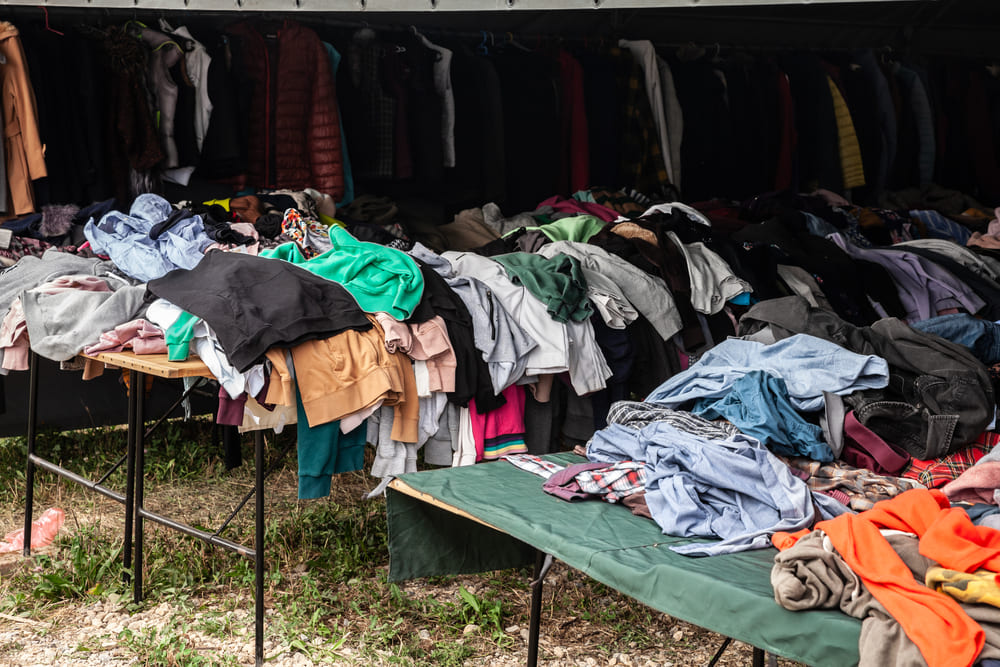
Nonprofits constantly seek sustainable revenue, and thrift stores are a perfect way to secure a steady stream of income. However, a successful thrift store requires a consistent flow of inventory. After all, if you don’t bring in items, you won’t have anything to sell to customers.
Although you may be an expert in soliciting financial donations, from small gifts to major donations, obtaining in-kind gifts requires different strategies that may be unfamiliar to you. In this guide, we’ll explore tips for acquiring clothing donations for your nonprofit thrift store.
Note: Nonprofit thrift stores can stock many items aside from clothing! But with the rise of the secondhand apparel market (projected to reach $393 billion in value by 2030), clothing is a surefire way for nonprofits to turn a profit.
Why run a nonprofit thrift store?
Before we dive into strategies for increasing clothing donations, let’s discuss why running a thrift store is a great idea for nonprofits. If you’re already familiar with the benefits of running a thrift store, feel free to skip to the next section.
Here are a few common reasons why charitable organizations open thrift stores:
- Consistent revenue: Nonprofits that rely solely on gifts may not have consistent revenue, as there can be periods of high and low giving. With a thrift store that’s open year-round, you can easily navigate fluctuating income sources.
- Sustainability: By selling secondhand clothing, you can keep apparel out of landfills and encourage reuse in the community. This supports environmental and sustainability initiatives by promoting a circular economy.
- Community engagement: Nonprofits need to find ways to engage supporters beyond donation solicitations or volunteer requests. A thrift store allows your community to participate in your mission without making a gift in the traditional sense.
- Mission awareness: Individuals who aren’t already aware of your mission may come into contact with your nonprofit through your thrift shop. This helps you gain new supporters — and it may even lead to more donations down the line.
All of these benefits make thrift stores a valuable opportunity for charitable organizations. Plus, running a thrift store might not require as much overhead as you think, since you can leverage donations as inventory. You just need to know how to get them.
1. Establish donation guidelines.
Receiving unsuitable donations is awkward. You have to inform the donor that their gift, though appreciated, doesn’t meet your needs. Some donors may demand an explanation, which you might not be prepared to give. Other donors may feel slighted or think your nonprofit is ungrateful for their support.
To prevent uncomfortable situations like these, establish clear donation guidelines upfront. First, determine which items you need based on your goals. If your nonprofit aims to provide low-cost clothing to the community while generating revenue, you’ll have a different strategy from that of a thrift store wanting to sell one-of-a-kind vintage apparel.
Then, outline your guidelines on the donations you’ll accept, starting with:
- Item types: What types of clothing will you accept (casual wear, formal wear, outerwear, seasonal clothing, accessories, shoes, etc.)? Will you accept clothing for children, adults, or both?
- Condition: Will you only take like-new items, or are gently-worn items acceptable? Should the items be free of visible stains, odors, debris, or rips? Do items need to be laundered before they are donated?
- Limits: Is there a limit to the number of items an individual can donate? Are there items you’ll accept only during certain times of the year (such as winter coats)?
- Other: Do you have any additional guidelines not covered by the above categories? For example, are there any clothing items your thrift store is prioritizing?
Publish these guidelines on your thrift store’s website and print them on signage for display in your store. These are also great places to feature a quick list of the benefits of donating to your nonprofit. You can include your mission statement, explain how donations support your cause, and provide a brief overview of tax benefits for donors.
As you put together these guidelines, it’s also a good time to consider whether you need inventory management software. A robust solution makes it easy for thrift stores to log and track every single item, from intake to sale, including pricing and real-time inventory syncing features.
2. Provide multiple donation methods.
Your community members are busy individuals who likely want to donate clothing to your thrift store but may not have time. Help them out by offering multiple donation options so they can choose the method that best fits their schedules.
Here are a few common strategies:
- Dropoffs: This is the standard donation method that almost all thrift stores use. To make it easier for donors, provide clear instructions for the dropoff process, including the dropoff location within your facilities, so they know where to go.
- Pickups: Certain segments of your supporter base might find it difficult to drop off donations, especially if you only accept them at certain times of day. Think about sending a staff member to collect their donations — if enough individuals are interested, you can plan smarter pickup routes.
- Donation drives: Some times of the year bring in far more clothing donations than others — think seasonal changes and events like back-to-school. You can leverage these opportunities by hosting donation drives. Advertise these events widely across your marketing channels and encourage supporters to donate the clothing they’re considering throwing away.
Invest in a thrift store point of sale (POS) system to efficiently manage your donation methods. For example, ThriftCart offers features for dropoffs and pickups, including self-scheduling, pickup zones, optimized donation routes, and donation e-receipts.
3. Partner with local organizations.
As a nonprofit professional, you know firsthand the difficulty of reaching a wide audience and inspiring them to take action. For events like galas and auctions, you probably work with sponsors and other partner organizations to boost visibility — a cornerstone of a strong nonprofit marketing strategy. You can apply that principle to your thrift store by leveraging another organization’s influence to expand your donor base and increase clothing donations.
When you want to acquire more clothing for your nonprofit thrift store, start by partnering with the following types of organizations:
- Clothing retailers
- Schools and universities
- Religious institutions
- Other nonprofits
- Community groups and clubs
- Environmental or sustainability organizations
You can pitch these partnerships as one-time projects or long-term collaborations, depending on your nonprofit’s needs and the other organization’s preferences. Regardless, the focal point of your proposal should be how this partnership benefits your partner organization.
For example, let’s say you connect with a business for a clothing donation partnership. After all, Double the Donation lists in-kind gifts as one of the most common types of corporate philanthropy. While you should mention the impact these gifts will have on your thrift store, focus on the perks the business will gain, like an improved reputation, access to your audience as potential customers, and increased employee engagement.
4. Market your specific clothing needs.
Acquiring a steady supply of quality clothing requires proactive communication. Donors are far more motivated to clean out their closets when they know your organization has a specific gap to fill. Here are a few different ways to market your clothing needs:
- Optimize your website’s in-kind donation landing page. Donors often search online for “where to donate clothes.” Make sure your website features a highly visible, dedicated page that clearly details which items you accept, which you don’t, your current urgent needs, and clear dropoff instructions. Keep this page updated as your needs change.
- Run wishlist social media campaigns. Post targeted calls to action based on your current inventory gaps. For example, you might write something like, “Our thrift store is running low on men’s professional attire this week — drop yours off at our main center!”
- Add a dynamic wishlist to email newsletters. Dedicate a small callout box at the bottom of your regular email blasts that highlights your top three inventory priorities for the month. This keeps physical donations top of mind for recipients without requiring dedicated standalone emails.
- Turn shoppers into donors. Place clear, attractive signage near the cash register, insert dropoff guide flyers into shopping bags, and add a quick note on print or digital receipts explaining how and where shoppers can donate their own gently used garments to convert them into your mission’s supporters.
Ultimately, effective donation marketing is about establishing an ongoing dialogue with your supporters. A community that feels informed and important to your mission becomes your most reliable and enduring source of support.
With proper management and the right strategies, your nonprofit thrift store can become a valuable, consistent revenue source for your mission. Don’t let your inventory challenges get you down! Rally your community around your organization’s cause to increase clothing donations and maximize your nonprofit’s impact.